Skin Care
Understanding Acne: What Is Really Happening
The real science behind breakouts: what causes acne, the different types, and why understanding the mechanism helps you treat it effectively.

Acne is the most common skin condition on the planet, affecting nearly everyone at some point in their life. Yet despite how widespread it is, most people have a surprisingly shallow understanding of what actually causes it. Knowing what is happening beneath the surface transforms your approach from reactive guessing to informed, effective treatment.
What Happens Inside a Pore
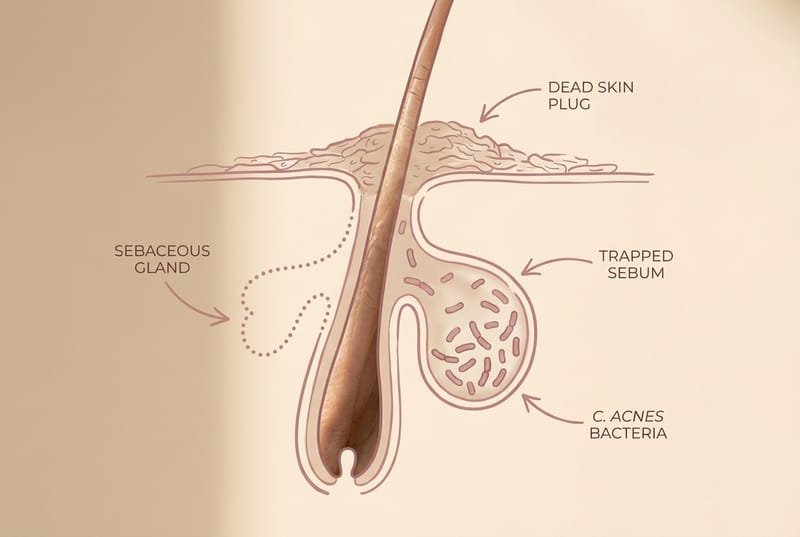
Every breakout begins inside a hair follicle. The follicle contains a tiny sebaceous gland that produces sebum, the oily substance that keeps your skin moisturized and protected. In healthy skin, sebum flows freely to the surface and does its job without incident. Acne develops when this process goes wrong at one or more points.
The sequence typically unfolds like this: dead skin cells that normally shed from the follicle wall become sticky and clump together, forming a plug. Sebum production increases, often driven by hormones, and builds up behind the plug. Bacteria that naturally live on the skin, particularly Cutibacterium acnes, thrive in this oxygen-deprived, oil-rich environment. The immune system responds to the bacterial overgrowth with inflammation, and you see the result on the surface as a pimple, pustule, or cyst.
Types of Acne
Not all breakouts are the same, and recognizing what type you are dealing with helps you choose the right treatment approach.
- Comedonal acne consists of blackheads and whiteheads. These are non-inflammatory and result from clogged pores without significant bacterial involvement. They respond well to exfoliation and retinoids.
- Inflammatory acne includes papules and pustules. These are red, swollen bumps that indicate the immune system has been activated. Antibacterial and anti-inflammatory ingredients are the primary approach.
- Cystic and nodular acne involves deep, painful lumps beneath the skin surface. These are the most severe forms and often require professional treatment because they carry the highest risk of scarring.
The Role of Hormones
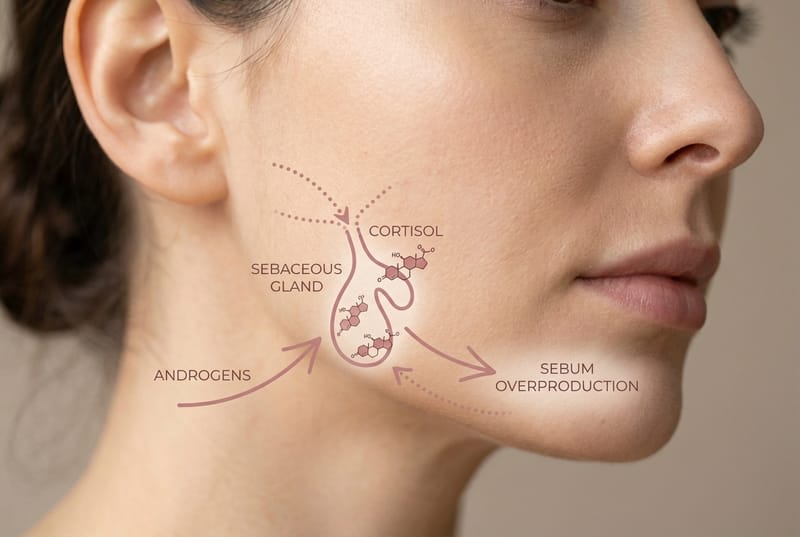
Hormones are the single biggest driver of acne for most people. Androgens, which include testosterone and its derivatives, directly stimulate sebaceous glands to produce more oil. This is why acne peaks during puberty, fluctuates with menstrual cycles, and can flare during periods of hormonal change like pregnancy or polycystic ovary syndrome.
Stress hormones, particularly cortisol, add another layer. When cortisol levels rise, androgen production increases in response, which ramps up sebum output. This is the physiological reason why stressful periods so often coincide with breakouts.
Genetics and Skin Type
Your genetic makeup determines how large your sebaceous glands are, how much sebum they produce, and how your immune system responds to the bacteria that colonize clogged pores. If your parents had acne, your chances of experiencing it are significantly higher. This does not mean your skin is broken or defective. It means your skin is more reactive to the triggers that cause breakouts, and your treatment approach needs to account for that.
Oily skin types are more acne-prone by nature, but dry and combination skin types can develop breakouts too, especially when the skin barrier is compromised. Acne is not exclusively an oily skin problem, even though oil plays a central role in the mechanism.
Why Understanding Matters
When you understand that acne is a multifactorial process involving oil production, dead skin cell behavior, bacteria, and immune response, you can stop blaming yourself and start treating it strategically. The articles that follow build on this foundation, covering barrier health, routine building, active ingredients, lifestyle factors, and when to seek professional help.
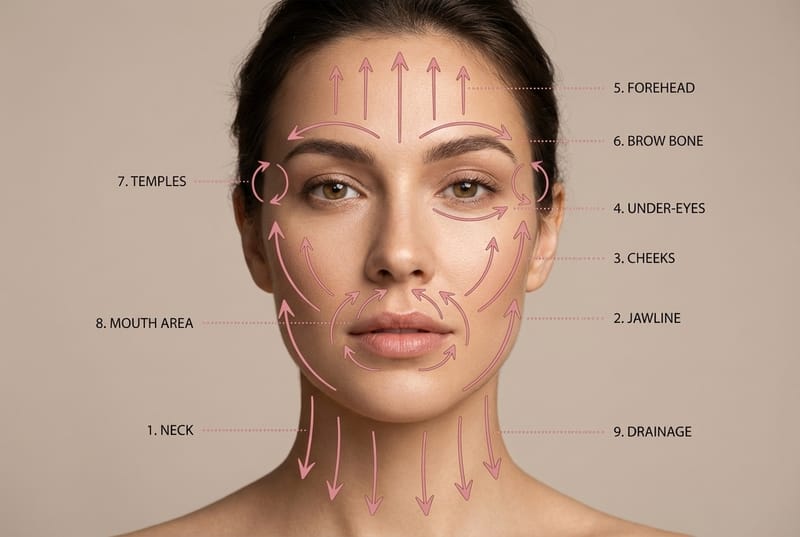
Healthy facial circulation supports the skin's natural healing and renewal processes. Yasmine face yoga exercises that target the cheeks, jawline, and forehead area help improve blood flow to acne-prone zones, which can support faster healing and better delivery of the active ingredients you apply topically.