Skin Care
Achieving a Radiant Base
How to choose and apply base products for natural makeup: tinted moisturizers, BB creams, CC creams, and light foundations that let your skin shine through.
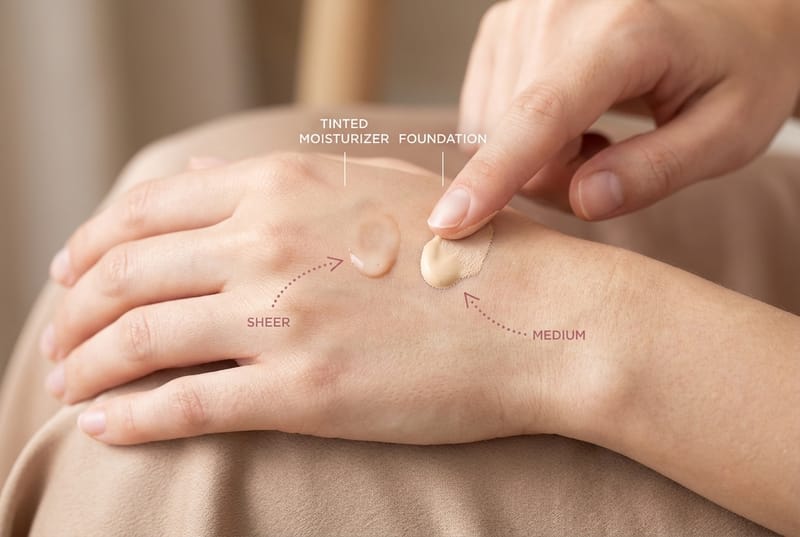
The base is the most important step in natural makeup and the one most people get wrong. The instinct is to reach for coverage, to smooth everything out and create a blank slate. But natural makeup works the opposite way. The goal is to even out your tone just enough that your skin looks healthy and unified, while still looking like skin. Texture, dimension, and the natural movement of your face should all remain visible.
Understanding Base Product Categories
Base products exist on a spectrum from sheer to full coverage, and for natural makeup, you want to stay firmly on the lighter end. Knowing what each category offers helps you choose the right starting point.
- Tinted moisturizers provide the shearest coverage with a skin-like finish. They even out tone slightly while adding hydration. These are ideal for good skin days or when you want the most natural result possible.
- BB creams (beauty balms) offer light coverage with added skincare benefits like SPF, antioxidants, or hydration. They sit between tinted moisturizer and foundation in coverage.
- CC creams (color correcting creams) target specific concerns like redness or dullness while providing light, even coverage. They are excellent for redness-prone or sallow skin.
- Light coverage foundations provide buildable, natural-looking coverage. Look for formulas described as skin-like, dewy, or buildable rather than matte, full-coverage, or long-wear.
The Less-Is-More Application
The technique that transforms natural base products is simple: start with less than you think you need. You can always add more, but removing excess without disturbing what is underneath is nearly impossible. Dispense a small amount onto the back of your hand, warm it with your fingertip, and apply it to the center of your face first, blending outward toward the edges where you need the least coverage.
Most natural makeup only requires coverage on the center of the face, around the nose, between the brows, and on any areas of uneven tone. The outer edges of your face, along the jawline, temples, and forehead perimeter, can often go bare or nearly bare. This gradual fade from covered center to bare edges is what creates the most natural, seamless result.
Application Tools and Their Effects
- Fingertips. The warmth of your hands melts product into the skin for the most skin-like finish. Use a tapping and pressing motion rather than rubbing. Best for tinted moisturizers and BB creams.
- Damp sponge. A dampened beauty sponge sheers out product beautifully and creates an airbrushed effect without looking heavy. Bounce, do not drag. Best for liquid and cream foundations.
- Stippling brush. A duo-fiber brush applies product in thin, even layers. Use a gentle stippling motion (tapping the brush against the skin) for buildable, natural coverage.
Mixing and Customizing
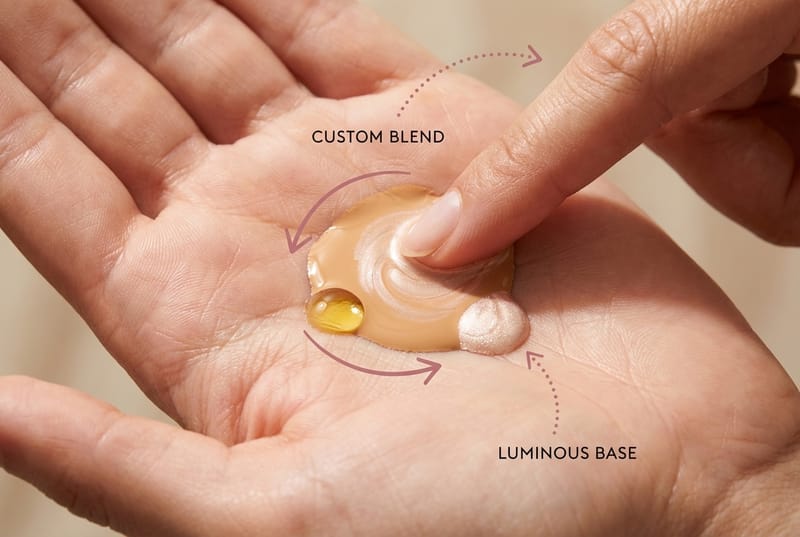
One of the best tricks in natural makeup is mixing your base products. Adding a drop of facial oil or liquid highlighter to your foundation creates a dewy, luminous base. Mixing two shades adjusts the color to match your skin more precisely. Blending your foundation with moisturizer sheers it out for even lighter coverage. There are no rules about using products straight from the tube.
Seasonal adjustments matter, too. In summer, when your skin is naturally more radiant and possibly a shade deeper, you might switch to tinted moisturizer alone. In winter, when skin tends to be drier and less even, a BB cream or light foundation provides a bit more correction while still looking natural.
Yasmine face yoga enhances your natural base by promoting the kind of healthy circulation that gives skin a genuine glow. When your skin already has that lit-from-within quality, you need even less product to achieve the radiant, fresh-faced look that natural makeup is all about.