Skin Care
Sunscreen and Environmental Protection
Choosing sunscreen for redness-prone skin, plus strategies for protecting your face from wind, cold, heat, and indoor environmental triggers.
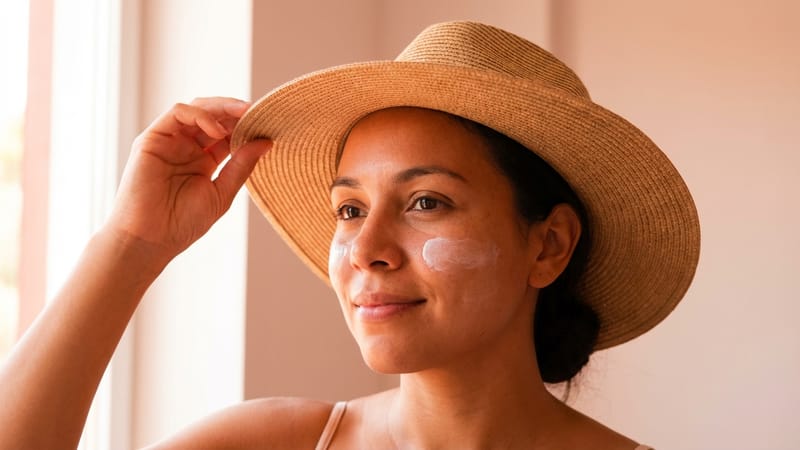
Environmental triggers are among the most powerful and most avoidable causes of facial redness. UV radiation, wind, cold, heat, and even dry indoor air can all provoke flushing and aggravate chronic conditions like rosacea. Sun protection is the non-negotiable baseline, and a few additional habits can dramatically reduce how much your environment affects your skin.
Sunscreen for Reactive Skin
UV exposure is a significant trigger for facial redness. It causes direct inflammation, damages the skin barrier, and can worsen rosacea over time. Daily sunscreen is essential, but the type of sunscreen matters when your skin is reactive.
Mineral sunscreens containing zinc oxide are the gold standard for redness-prone skin. Zinc is naturally anti-inflammatory and sits on top of the skin rather than absorbing into it, which reduces the chance of reactive irritation. Look for formulations labeled for sensitive skin, which typically omit fragrances, essential oils, and alcohol.
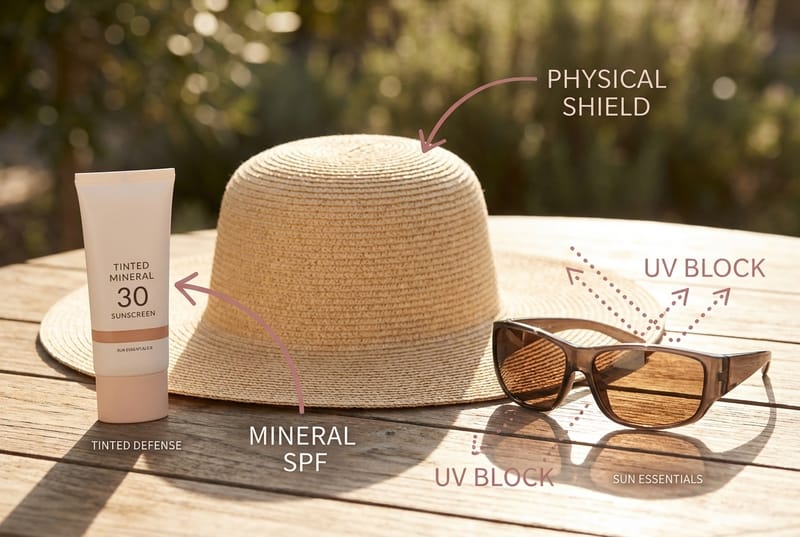
- Choose SPF 30 or higher with broad-spectrum protection. SPF 30 blocks 97 percent of UVB rays, which is sufficient for daily wear.
- Tinted mineral sunscreens provide additional protection against visible light, which can trigger redness in some people with rosacea.
- Avoid chemical sunscreens if you know they cause stinging or flushing. Common irritants include oxybenzone and avobenzone.
Wind and Cold Protection
Cold air and wind strip moisture from the skin and trigger the dilation of facial blood vessels, which is why many people with redness-prone skin dread winter. A few simple strategies can minimize the impact.
- Apply a heavier moisturizer or a protective balm before going outside in cold, windy weather. This creates a physical barrier that reduces moisture loss.
- Use a scarf or balaclava to shield the face from direct wind. This simple step makes a surprising difference.
- Avoid moving rapidly between extreme temperatures. The sudden shift from cold outdoor air to heated indoor air triggers reactive flushing. Give your skin time to adjust gradually.
Heat and Humidity
Heat is one of the most reliable redness triggers because it directly dilates blood vessels. Hot weather, saunas, hot yoga, steam rooms, and even standing over a stove can provoke flushing episodes.
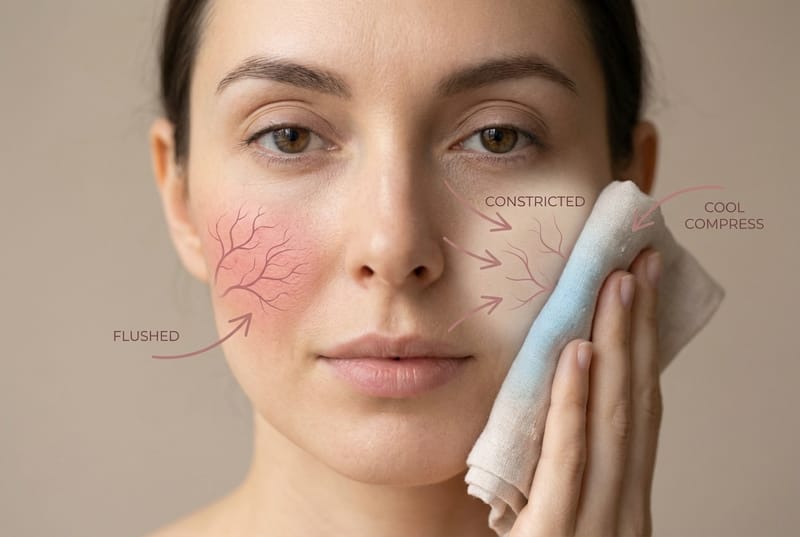
Keep your environment cool when possible. Use fans or air conditioning during hot weather. When exercising, choose cooler environments and keep a cold water spray nearby to mist your face. After cooking or any heat exposure, a cool (not ice-cold) compress on the face helps vessels contract and redness subside.
Indoor Environmental Control
Indoor heating systems dry the air significantly, which compromises the skin barrier and increases redness. A bedroom humidifier that maintains humidity between 40 and 60 percent makes a measurable difference, especially during winter months. Position it near your bed so you get the benefit during the hours when your skin is doing its most active repair work.
Yasmine face yoga can be done in any controlled indoor environment, making it a consistent part of your routine regardless of weather conditions. The practice supports the healthy circulation and barrier resilience that help your skin handle environmental challenges with less reactive redness.