Skin Care
Prepping Your Canvas
How to prepare your skin before makeup application: the skincare steps, primer choices, and tool hygiene that make natural makeup look flawless.
Every artist knows that the canvas matters as much as the paint. In natural makeup, this principle is even more important because sheer, lightweight products reveal the skin beneath them rather than hiding it. A well-prepped face holds makeup longer, looks smoother, and requires fewer products to achieve a polished result. Preparation is where natural makeup truly begins.
Skincare as Makeup Prep
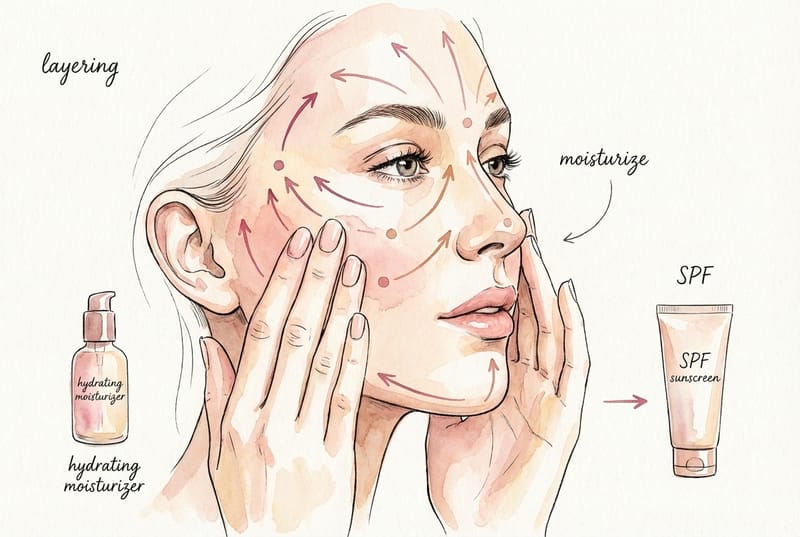
Your morning skincare routine is your first act of makeup application, whether you realize it or not. A cleanser that leaves skin balanced, a hydrating serum or moisturizer that plumps the surface, and a sunscreen that sits smoothly all create the ideal texture for whatever comes next. When skin is properly hydrated, foundation blends seamlessly and sits naturally rather than clinging to dry patches or sliding off oily zones.
Allow each skincare layer to absorb fully before moving to the next. Rushing through skincare and immediately applying makeup traps partially absorbed products under your base, which causes pilling, patchiness, and faster breakdown throughout the day. Two to three minutes between your last skincare step and your first makeup step makes a significant difference.
Choosing the Right Primer
Primer is optional in natural makeup, but it can be incredibly useful when chosen correctly. The key is matching your primer to your skin's specific needs rather than applying one indiscriminately.
- Hydrating primers work beautifully on dry or normal skin, adding a dewy base layer that helps sheer products glide on smoothly.
- Mattifying primers help oily skin maintain a fresh, balanced look through the day without caking or over-drying.
- Pore-minimizing primers with a silicone base create a smooth surface, but use them sparingly. A thin layer on the T-zone or areas with visible texture is enough.
- Illuminating primers add a subtle glow from underneath, which is perfect for the lit-from-within effect that defines natural makeup.
If your skincare already gives you a smooth, hydrated base, you may not need primer at all. Many people find that a good moisturizer and sunscreen provide enough slip and hold for a natural look. Try going without it first and add it only if you notice your makeup breaking down or sitting unevenly.
Clean Tools, Better Results
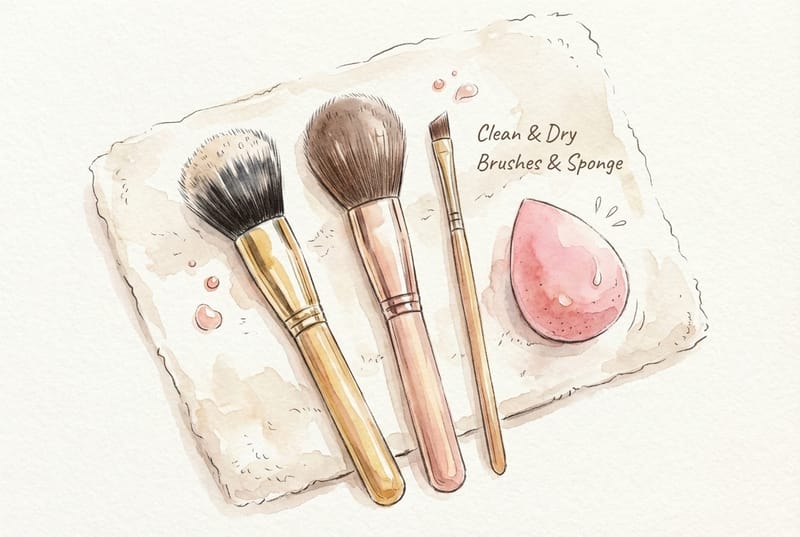
The tools you use to apply makeup matter more than most people realize, and cleanliness is the most overlooked factor. Dirty brushes and sponges harbor bacteria that cause breakouts, deposit old product that muddies your colors, and develop a buildup that prevents smooth, even application. For natural makeup, where every layer is thin and intentional, clean tools are essential.
- Wash brushes weekly. Use a gentle soap or dedicated brush cleanser, work the bristles in your palm under lukewarm water until the water runs clear, reshape, and lay flat to dry.
- Replace sponges regularly. Makeup sponges should be washed after every use and replaced every one to three months, depending on how quickly they degrade.
- Sanitize between uses. A quick spray with brush cleaner or rubbing alcohol between deep washes keeps bacteria at bay without requiring a full wash every time.
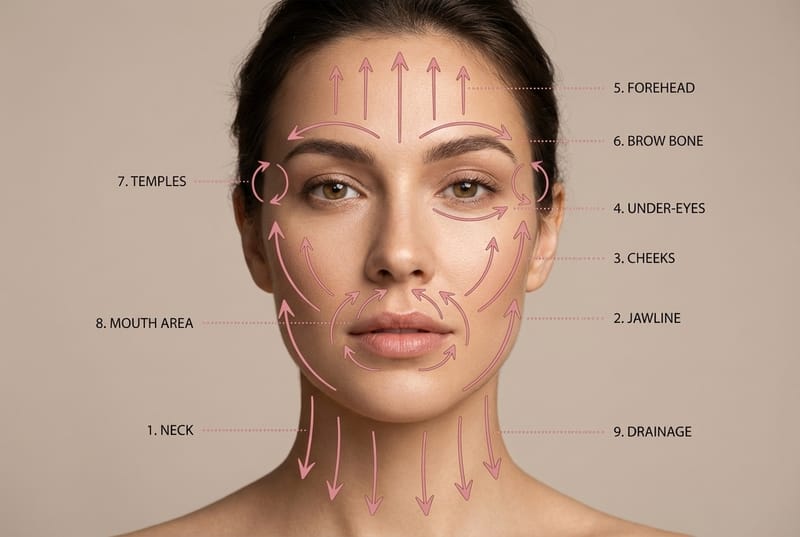
Yasmine face yoga, done before makeup application, gives your skin a natural flush of circulation that acts as a built-in primer. The gentle movements encourage lymphatic drainage, reduce morning puffiness, and create a smooth, lifted canvas that holds makeup beautifully all day.