Wellness
Nutrition for Stronger Hair
The nutrients your hair needs to grow: iron, zinc, protein, omega-3s, and how to spot the deficiency signs that may be contributing to hair loss.
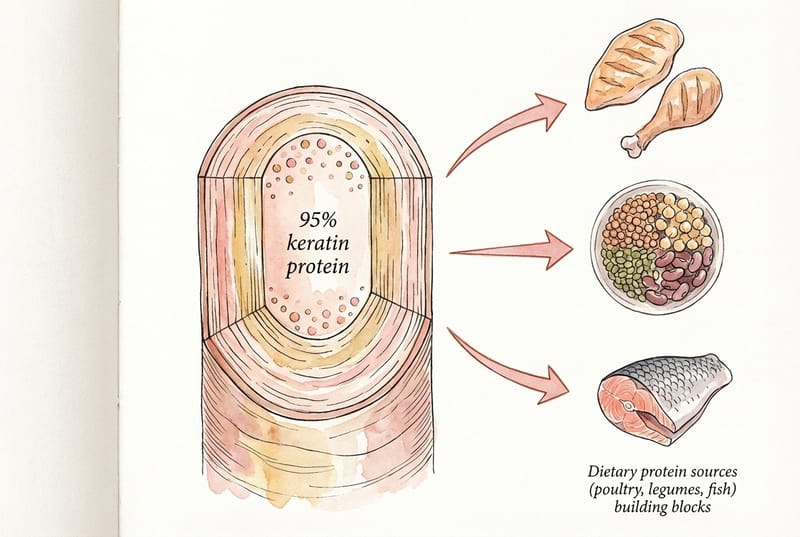
Your hair is built from the nutrients you eat. Every strand is primarily protein, and the follicle that produces it requires a steady supply of vitamins, minerals, and energy to function at its best. While nutrition alone rarely reverses significant hair loss, nutritional deficiencies can absolutely cause or worsen shedding. Ensuring your body has the raw materials it needs is a foundational step in any hair care strategy.
Protein
Hair is roughly 95 percent keratin, a structural protein. When protein intake is inadequate, the body prioritizes essential organ function over hair production, and follicles may enter the resting phase prematurely. This is most commonly seen in crash diets, restrictive eating patterns, and conditions that impair nutrient absorption.
Most adults need 0.8 to 1.0 grams of protein per kilogram of body weight daily. If your diet is varied and includes regular protein sources like eggs, fish, poultry, legumes, or dairy, you are likely getting enough. Vegetarians and vegans should pay particular attention to combining protein sources to ensure they are meeting their needs.
Iron
Iron deficiency is one of the most common nutritional causes of hair loss, particularly in women. Iron is essential for producing hemoglobin, which carries oxygen to cells throughout the body, including hair follicles. When iron levels are low, follicles receive less oxygen and may slow or stop producing hair.
Ferritin, the protein that stores iron, should ideally be above 40 ng/mL for optimal hair health, though many labs consider levels as low as 12 normal. If you are experiencing unexplained hair shedding, ask your doctor to check your ferritin level specifically, not just your general iron panel.
- Red meat, shellfish, spinach, lentils, and fortified cereals are good dietary sources of iron.
- Vitamin C enhances iron absorption. Eating iron-rich foods alongside citrus, tomatoes, or peppers improves uptake.
Zinc
Zinc plays a critical role in hair follicle function, including protein synthesis and cell division. Zinc deficiency is associated with telogen effluvium and can cause hair to become thin and brittle. People at higher risk for zinc deficiency include vegetarians, people with digestive conditions, and those who consume large amounts of alcohol.
Pumpkin seeds, oysters, beef, chickpeas, and cashews are excellent dietary sources. Zinc supplements can help if deficiency is confirmed, but excessive zinc intake can actually cause hair loss by interfering with copper absorption, so testing before supplementing is recommended.
Omega-3 Fatty Acids
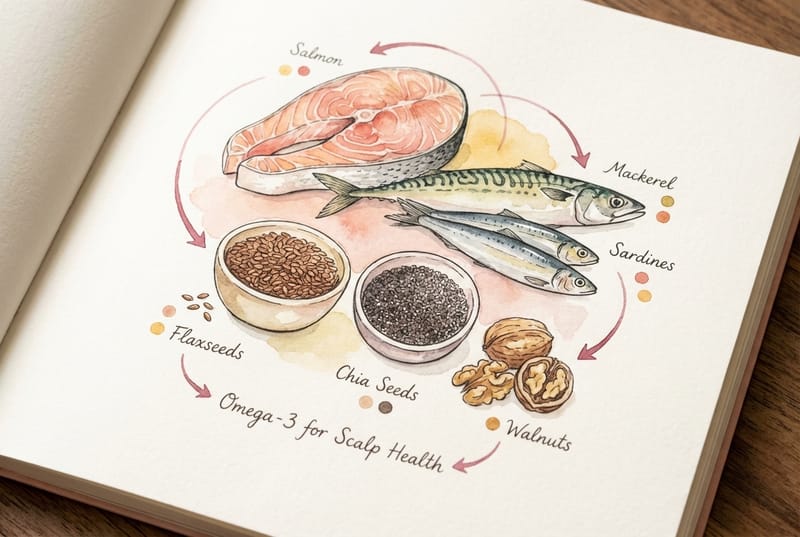
Omega-3 fatty acids support scalp health by reducing inflammation and maintaining the lipid barrier of the skin. A well-nourished, non-inflamed scalp provides the optimal environment for follicle function.
- Fatty fish like salmon, mackerel, and sardines are the best dietary sources.
- Plant sources include flaxseed, chia seeds, and walnuts, though the omega-3 form in plants (ALA) is less efficiently converted than the forms found in fish (EPA and DHA).
Vitamin D
Vitamin D receptors are present in hair follicles, and deficiency has been linked to alopecia areata and telogen effluvium. Many people are deficient, especially those living in northern latitudes or spending most of their time indoors. A blood test can confirm your level, and supplementation to reach the optimal range of 30 to 50 ng/mL is straightforward.
Recognizing Deficiency Signs
- Unexplained fatigue alongside hair shedding may suggest iron or vitamin D deficiency.
- Brittle nails combined with hair thinning can point to zinc or biotin deficiency.
- Slow wound healing alongside hair loss may indicate protein or zinc insufficiency.
Yasmine face yoga promotes the circulation that helps deliver the nutrients from your diet and supplements to the scalp and hair follicles. Good nutrition combined with good blood flow creates the optimal conditions for follicle health and hair growth.