Wellness
Diets for healthy skin: the facts
With so many different diets today, it is worth understanding how they actually affect your skin.
By Yasmine Team1 min readUpdated July 9, 2026

Eating for Your Skin
Healthy skin starts with what you eat every day. Well-documented studies show that a nutrient-rich diet supports skin appearance and overall well-being. The healthier the foods you consume, the better your skin is likely to look over time. This is not about restriction — it is about consistently choosing foods that give your body what it needs to repair and maintain skin cells.
How Different Diets Affect the Skin
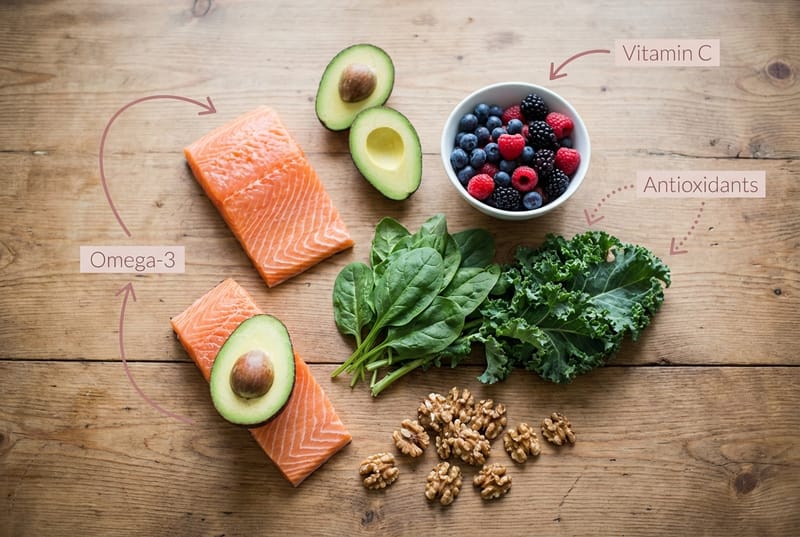
- Plant-rich diets. A diet focused on whole foods and plants can help with inflammatory conditions such as acne and provides essential vitamins A, C, and E that support skin cell health.
- Fish-forward eating. Omega-3 fatty acids found naturally in many types of fish are important for skin hydration, reducing signs of aging, and offering some protection from sun damage.
- Dairy-free approaches. Some research suggests that dairy products can elevate insulin and growth factor levels linked to acne development. Reducing dairy may help if you experience frequent breakouts.
- Very low-carb diets. While effective for certain health conditions, heavily restricting carbohydrates can also mean cutting back on fruits and vegetables that supply nutrients your skin needs.
A Balanced Perspective
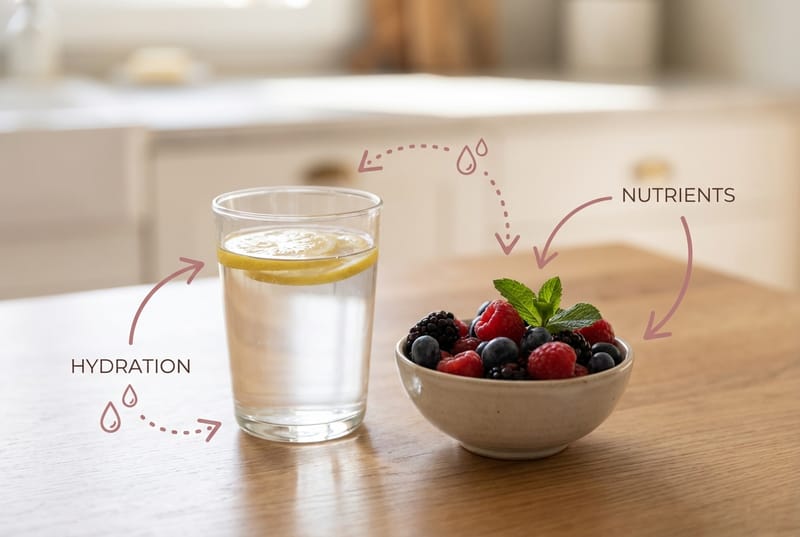
No single diet is a magic fix for skin concerns. Focus on consistent, balanced eating with plenty of whole foods, adequate hydration, and enough variety to cover your nutritional needs. Pair good nutrition with a steady skincare routine for the best results.