Skin Care
Nutrition and Lifestyle for Clearer Skin
How diet, sleep, stress, and daily habits influence your skin, with practical changes that support clearer, healthier skin from the inside out.

Topical skincare addresses acne from the outside, but what happens inside your body has just as much influence on your skin. Diet, sleep quality, stress levels, and daily habits all affect the hormonal and inflammatory processes that drive breakouts. You do not need to overhaul your entire life, but understanding which factors matter most helps you make small changes that produce real, visible results.
The Diet Connection
The relationship between diet and acne has been debated for decades. Two dietary factors show the strongest connection to breakouts: glycemic load and dairy consumption.
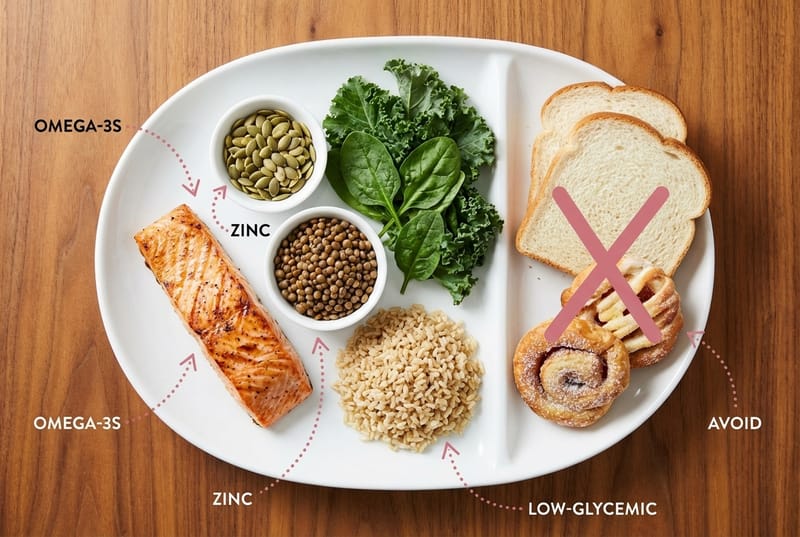
High-glycemic foods, those that spike blood sugar rapidly, trigger a cascade of hormonal responses that increase sebum production and inflammation. White bread, sugary snacks, processed cereals, and sweetened drinks are the primary culprits. Replacing these with lower-glycemic alternatives like whole grains, legumes, and vegetables can make a measurable difference in breakout frequency within a few weeks.
- Dairy, particularly skim milk, is associated with increased acne in many people. The mechanism likely involves the hormones naturally present in milk and their effect on insulin-like growth factor, which stimulates oil production. Not everyone is sensitive, but if your acne is persistent, a trial period without dairy is worth exploring.
- Omega-3 fatty acids from fish, flaxseed, and walnuts have anti-inflammatory properties that can help moderate the inflammatory component of acne.
- Zinc-rich foods like pumpkin seeds, chickpeas, and lentils support immune function and help moderate acne severity.
Sleep and Skin Repair
Your skin does most of its repair and regeneration while you sleep. During deep sleep, blood flow to the skin increases, growth hormone peaks, and the inflammatory processes that drove the day's breakouts are actively resolved. Consistently poor sleep disrupts all of these processes and elevates cortisol, which directly stimulates oil production.
Aim for seven to nine hours of quality sleep. Establishing a consistent bedtime, keeping the room cool and dark, and avoiding screens for the last hour before bed all improve sleep quality. The difference in skin clarity after two weeks of improved sleep often surprises people.
Stress Management
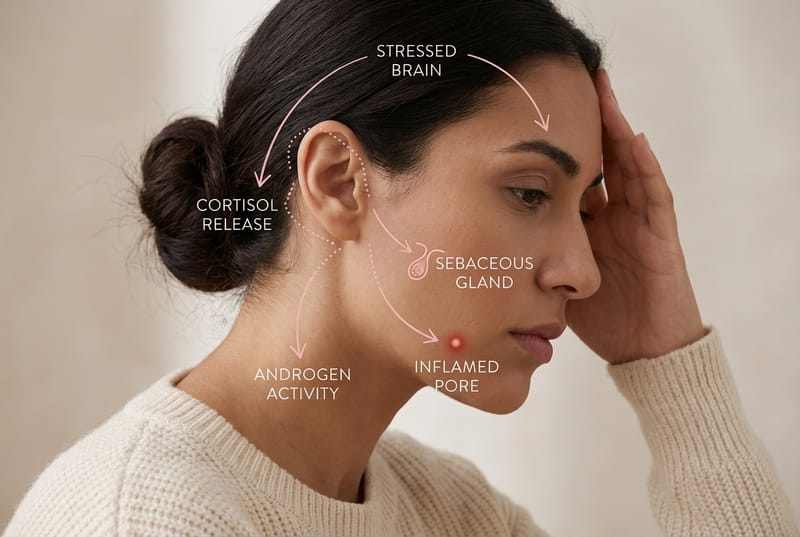
Chronic stress is one of the most underrated acne triggers. Cortisol, the primary stress hormone, increases androgen activity, which ramps up sebum production. Stress also impairs barrier function and slows wound healing, meaning existing breakouts persist longer and new ones develop more easily.
You do not need to eliminate stress, which is impossible, but you do need strategies for managing it. Regular exercise, time outdoors, social connection, and brief daily relaxation practices all lower cortisol levels measurably. Even five minutes of intentional breathing or a short walk can shift your hormonal environment away from the stress response.
Gut Health
There is a connection between gut health and skin health, sometimes called the gut-skin axis. An imbalanced gut microbiome can increase systemic inflammation, which manifests in the skin as breakouts, redness, and sensitivity. Fermented foods, fiber-rich vegetables, and probiotic supplements support a diverse microbiome and can improve overall skin clarity when gut health is prioritized.
Daily Habits That Add Up
- Change your pillowcase at least twice a week. Bacteria, oil, and dead skin cells accumulate on fabric and transfer back to your face while you sleep.
- Keep your hands away from your face. Touching your face transfers bacteria and oil from your hands to your skin, which can trigger breakouts.
- Clean your phone screen regularly. It presses against your cheek and jaw during calls, depositing bacteria directly into acne-prone zones.
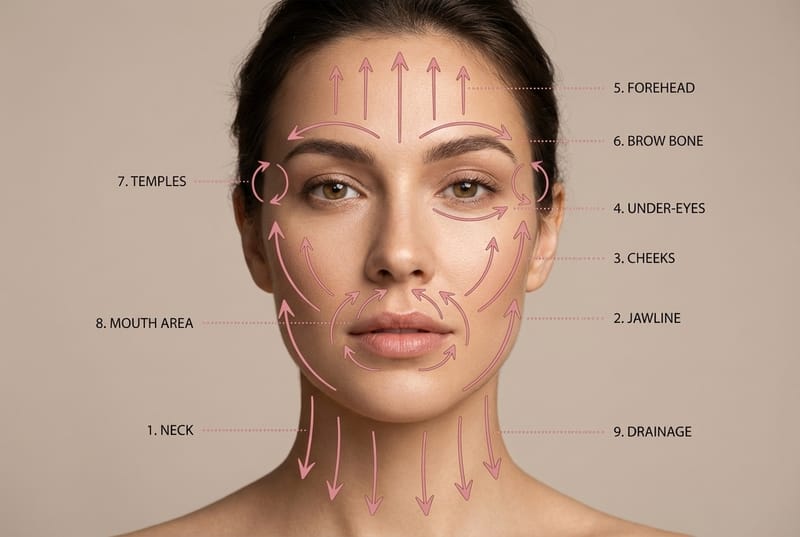
Yasmine face yoga adds a daily stress-reduction component through focused breathing and intentional movement. The parasympathetic activation that comes from a five-minute face yoga session directly counteracts the cortisol response that drives stress-related breakouts.