Skin Care
Moisturizing Made Simple
Why every skin type needs moisturizer, how to choose the right one, the key ingredients that matter, and the proper application technique for maximum benefit.
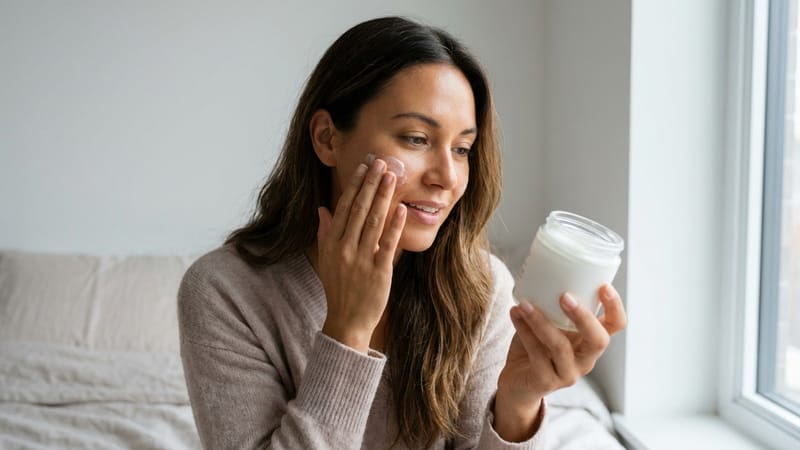
If there is one step that no skin type can afford to skip, it is moisturizing. Whether your skin is oily, dry, or somewhere in between, a moisturizer serves as the seal that locks in hydration and reinforces the barrier that protects everything underneath. Skipping it is like washing your car and leaving it out in a sandstorm. The cleanse was pointless if you do not follow it with protection.
The Barrier Concept
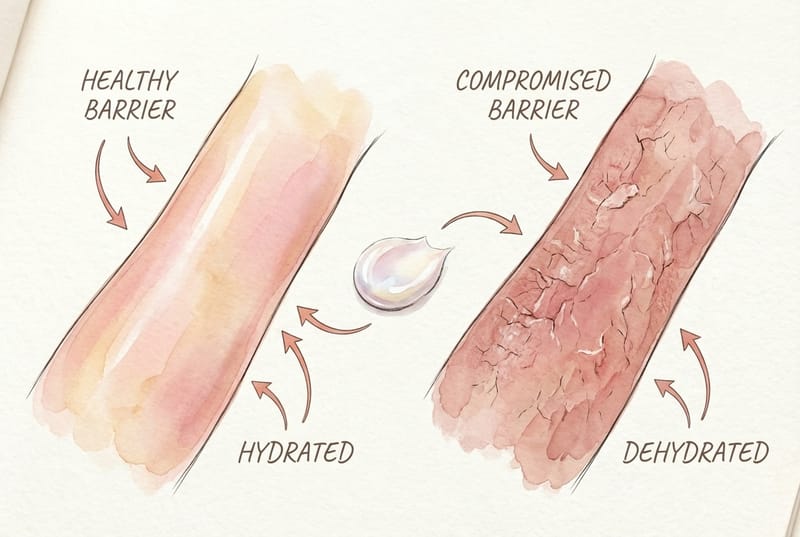
Your skin's outermost layer, the stratum corneum, is often compared to a brick wall. The skin cells are the bricks, and the lipids between them are the mortar. When this mortar is intact, water stays in and irritants stay out. When it is compromised, moisture escapes, the skin dries out, and environmental aggressors penetrate more easily, causing sensitivity, redness, and accelerated aging.
Moisturizer supports this barrier by supplementing the natural lipids, attracting water to the skin surface, and creating a thin protective film that slows evaporation. Even oily skin benefits because excess oil production is often the skin's response to dehydration. When you hydrate properly, oil production frequently normalizes on its own.
Types of Moisturizing Ingredients
Not all moisturizers work the same way. Understanding the three categories of moisturizing ingredients helps you choose products that match your skin's specific needs.
- Humectants attract water from the environment and deeper skin layers to the surface. Hyaluronic acid, glycerin, and urea are common humectants. They are particularly effective in humid environments and form the backbone of lightweight, water-based moisturizers.
- Emollients fill the gaps between skin cells, smoothing the surface and improving texture. Squalane, ceramides, and fatty acids like linoleic acid are popular emollients. They are essential for dry skin and contribute to that soft, supple feeling.
- Occlusives create a physical seal on the skin surface that prevents water from evaporating. Petrolatum, dimethicone, and shea butter are common occlusives. They are the heaviest category and are most useful for very dry or damaged skin, or as a final layer at night.
Choosing by Skin Type
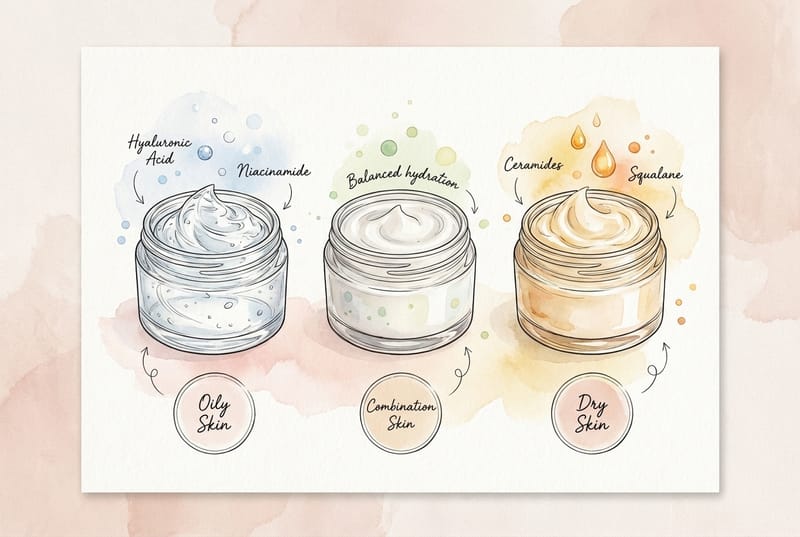
Oily skin does best with lightweight, gel-based or water-based moisturizers that hydrate without adding heaviness, with ingredients like hyaluronic acid or niacinamide. Dry skin needs richer formulas that combine humectants and emollients, often in a cream or balm texture with ceramides and squalane. Combination skin benefits from a medium-weight lotion applied all over, with an optional richer product on the driest areas. Sensitive skin should prioritize fragrance-free formulas with a short ingredient list, looking for ceramides, centella asiatica, and oat extract.
Application Technique
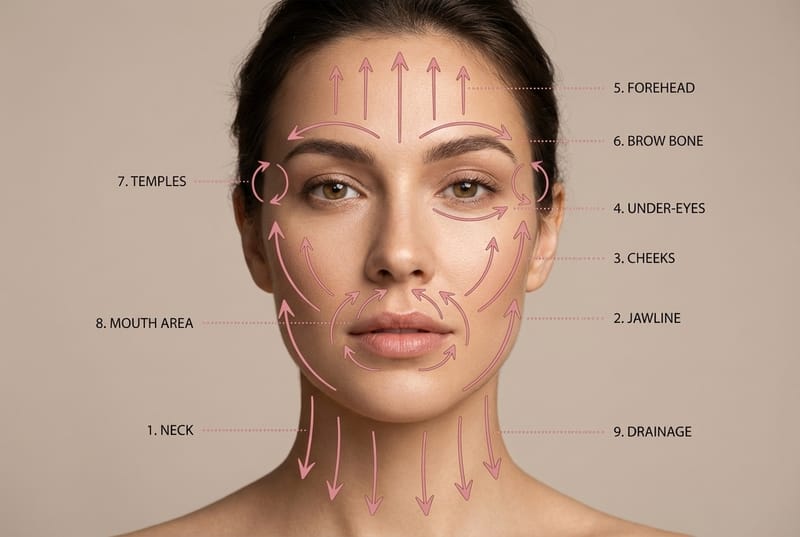
Apply moisturizer to slightly damp skin, ideally within 60 seconds of cleansing. Damp skin absorbs product more effectively, and the moisturizer helps trap the residual water against the skin surface. Use gentle, upward strokes and avoid tugging or pulling. Do not forget your neck, which is often neglected but ages visibly without care.
Day vs. Night Moisturizer
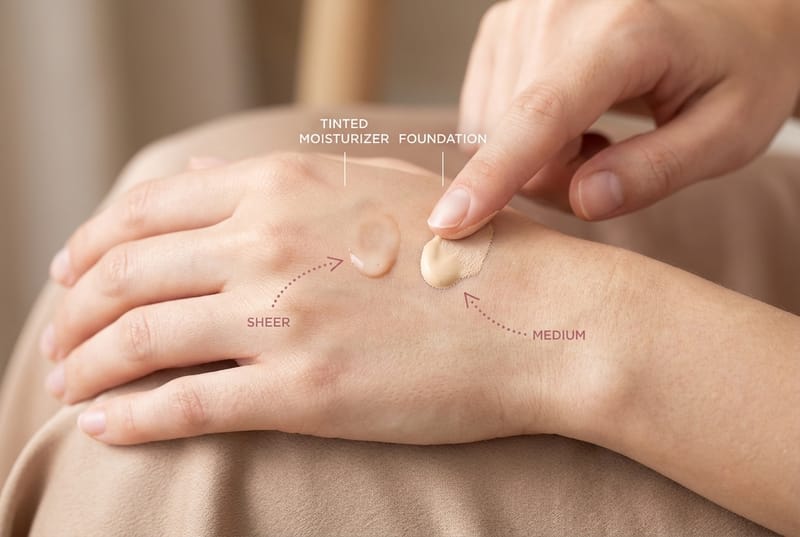
Many people use the same moisturizer morning and evening, which is perfectly fine for most skin types. If you want to optimize, use a lighter formula in the morning that sits well under sunscreen and makeup, and a richer one at night when your skin is in repair mode and can handle heavier ingredients without cosmetic concerns. The evening is also a good time to incorporate a moisturizer with active ingredients like peptides or retinol that benefit from the skin's overnight regeneration cycle.
Yasmine face yoga works hand in hand with moisturizing. Applying your moisturizer before face yoga exercises allows your fingers to glide smoothly across the skin, reducing friction during the movements. The gentle massage action of the exercises also helps distribute the product evenly and press it deeper into the skin for better absorption.