Skin Care
Melasma: The Hormonal Factor
Understanding melasma: the hormonal triggers behind it, why it behaves differently from other pigmentation, and how to manage it effectively.
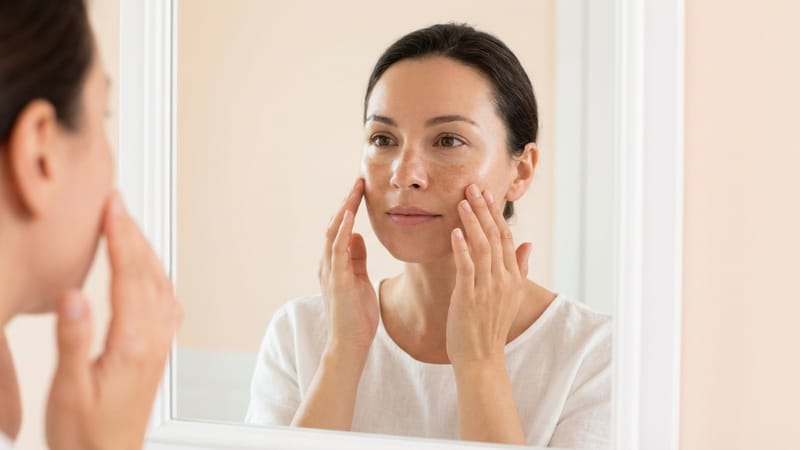
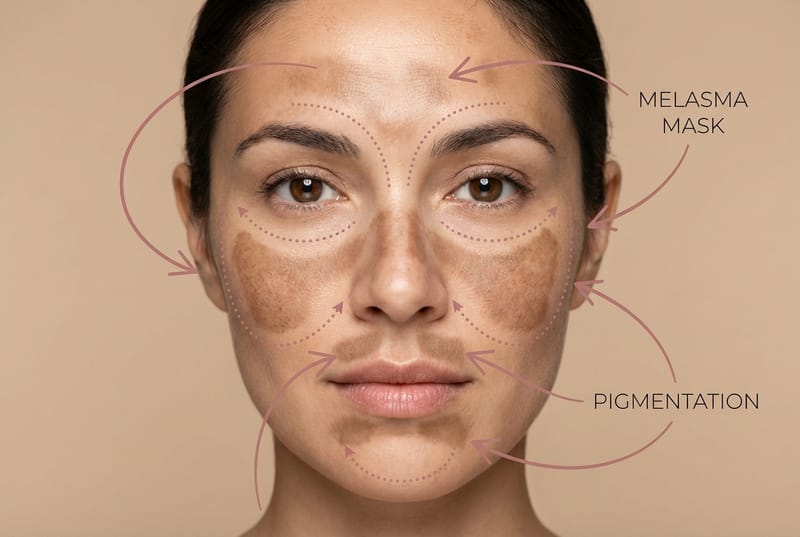
Melasma is a specific type of hyperpigmentation that stands apart from sun spots and post-inflammatory marks because of its underlying cause: hormones. It presents as large, relatively symmetrical patches of darkened skin, most commonly on the cheeks, forehead, nose bridge, upper lip, and chin. It is sometimes called the mask of pregnancy because it frequently appears during pregnancy, though it affects people in many other hormonal contexts as well.
What Drives Melasma
The primary trigger for melasma is hormonal fluctuation, particularly changes in estrogen and progesterone levels. These hormones stimulate melanocytes to overproduce melanin in a diffuse, patchy pattern rather than the concentrated spots typical of UV damage. This is why melasma commonly develops during pregnancy, while taking oral contraceptives, or during hormone replacement therapy.
UV exposure does not cause melasma on its own, but it dramatically worsens it. Sunlight stimulates the already-overactive melanocytes to produce even more pigment, deepening existing patches and potentially triggering new ones. This dual-trigger nature, hormones plus UV, is what makes melasma so challenging to manage.
Who Is Affected
Melasma affects people of all skin tones but is significantly more common in those with medium to deep complexions. It occurs far more frequently in women than men, though men can develop it too. Genetics play a role: if a close family member has melasma, your risk is higher. The combination of genetic predisposition, hormonal triggers, and UV exposure creates the conditions for melasma to develop.
Types of Melasma
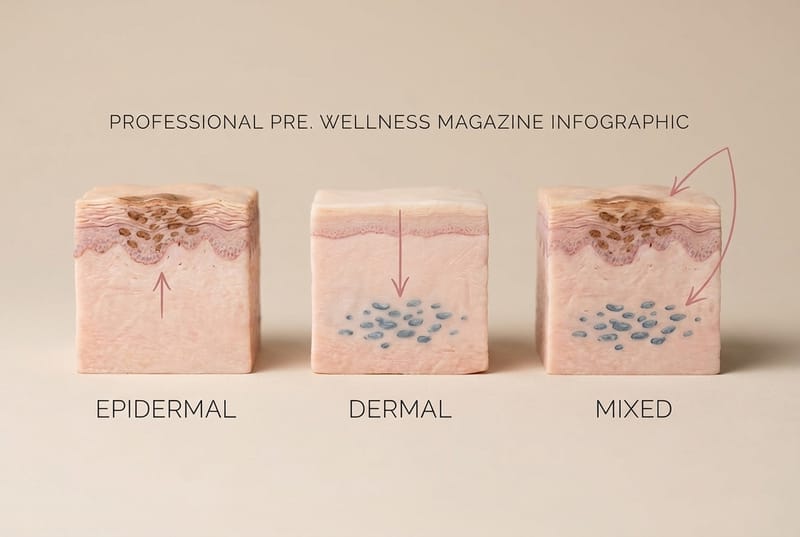
Melasma is classified by the depth at which excess melanin is deposited, and this depth affects both the appearance and the treatment response.
- Epidermal melasma is the most superficial type. The excess melanin sits in the upper layers of skin. It appears brown and has relatively well-defined borders. This type responds best to topical treatment.
- Dermal melasma involves melanin deposited deeper in the dermis. It appears blue-gray and has less defined borders. It is harder to treat with topical products because the pigment sits below where most ingredients can reach.
- Mixed melasma is the most common type and involves pigment at multiple depths. It appears dark brown and responds partially to topical treatment.
Management Strategies
The word management is deliberate. Melasma is a chronic condition that tends to recur, especially when hormonal triggers persist. Complete, permanent elimination is often not realistic, but significant improvement and long-term maintenance are achievable with the right approach.
- Sunscreen is mandatory. Broad-spectrum SPF 30 or higher, applied generously every morning and reapplied throughout the day. This single step prevents more melasma progression than any treatment product.
- Use a tyrosinase inhibitor. Ingredients like azelaic acid, alpha arbutin, vitamin C, and tranexamic acid reduce melanin production. Azelaic acid at 15 to 20 percent is particularly effective for melasma.
- Consider tranexamic acid. Both topical and oral tranexamic acid are options for melasma. The topical form is available over the counter. The oral form requires a prescription.
- Be cautious with aggressive treatments. Chemical peels and laser treatments can help but also carry a risk of post-inflammatory hyperpigmentation, especially in darker skin tones. Work with an experienced dermatologist.
The Patience Factor
Melasma is the type of pigmentation that tests patience most severely. Improvement is slow, measured in months rather than weeks, and setbacks are common, especially during summer or hormonal changes. The practitioners who see the best long-term results are those who commit to daily sun protection, consistent use of gentle brightening agents, and realistic expectations about the timeline.
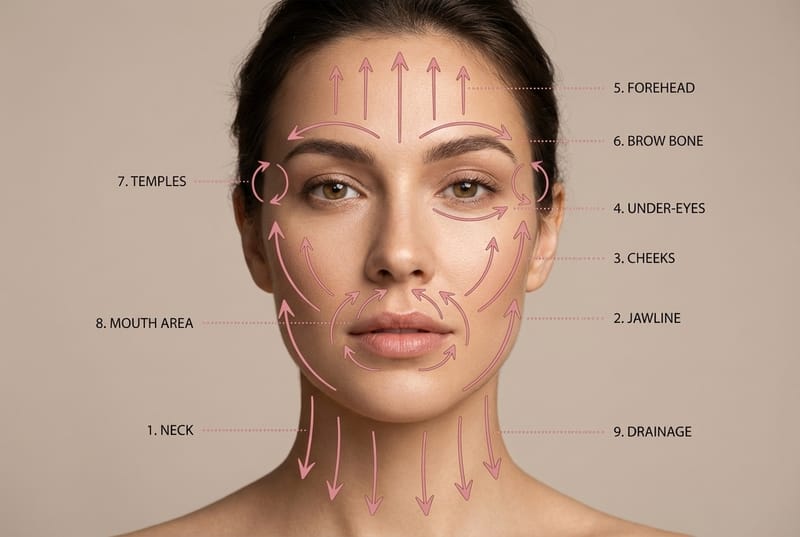
Yasmine face yoga supports melasma management by promoting even circulation across the face. Improved blood flow helps the skin process and redistribute excess melanin more efficiently, complementing your topical brightening routine.