Skin Care
Living Well with Reactive Skin
A long-term perspective on managing facial redness: building resilience, finding confidence, and approaching reactive skin with patience and self-compassion.
Living with redness-prone skin is a long-term relationship, not a problem with a one-time solution. There will be good weeks and difficult ones. There will be triggers you cannot avoid and flares that catch you off guard. What makes the difference over time is not perfection in avoidance or a magic product that eliminates redness forever. It is building a sustainable approach that supports your skin while allowing you to live your life fully.
Building Skin Resilience
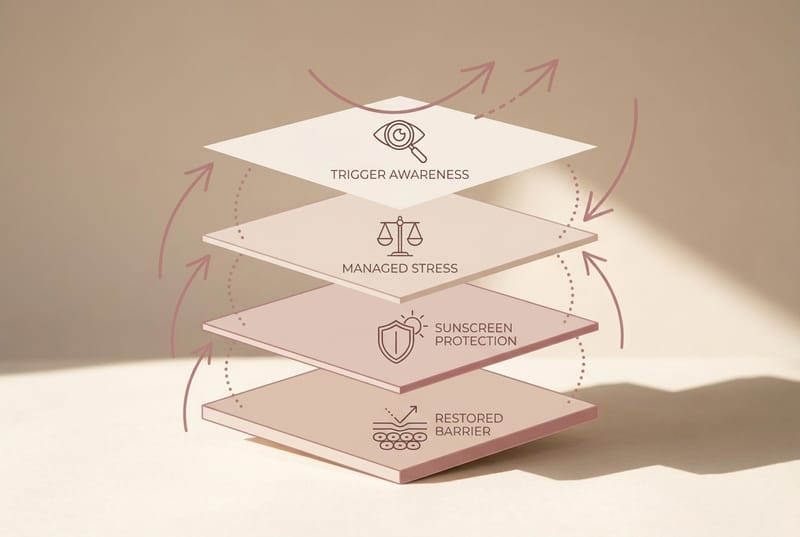
A resilient skin barrier is your best long-term defense against reactive redness. The stronger your barrier, the more triggers your skin can absorb without flaring. This resilience is built through the consistent habits covered throughout this guide: gentle cleansing, barrier-supportive moisturizing, daily sunscreen, and stress management.
Resilience also means accepting that your skin will not always be perfect. A flare does not erase weeks of progress. It is a temporary event on a longer trajectory of improvement. Over months and years of good care, the frequency and severity of flares typically decrease, and recovery becomes faster.
The Confidence Question
Facial redness affects confidence in ways that other skin concerns often do not, because it is visible, central, and difficult to conceal completely. Many people with rosacea or chronic redness describe feeling self-conscious in social situations, avoiding photographs, or spending significant time and money trying to hide something that is simply part of how their skin behaves.
While it is entirely valid to want to reduce redness for aesthetic reasons, it is equally important to recognize that your value and your appearance are not diminished by skin that is occasionally pink. The people around you notice your redness far less than you think. What they notice is your energy, your expression, and your presence.
Practical Confidence Strategies
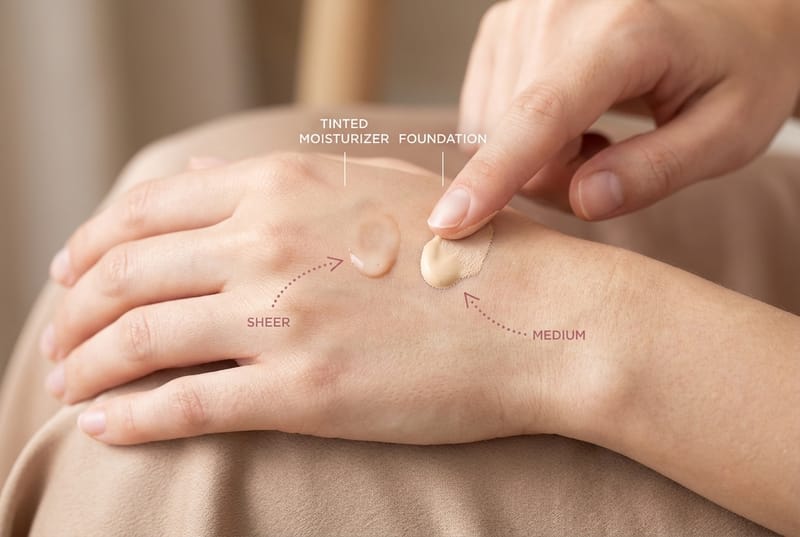
- Tinted mineral sunscreen or a green-tinted primer can neutralize visible redness without the heaviness of full-coverage makeup.
- Focus your routine on reducing baseline redness rather than hiding flare-ups. Steady improvement in your day-to-day skin builds more lasting confidence than any concealer.
- Talk about it if you want to. Many people find that acknowledging their rosacea or reactive skin openly removes the secrecy that makes it feel like a bigger issue than it is.
The Long-Term Perspective
Redness management is not something you do for a few months and then stop. It is an ongoing practice, much like maintaining dental health or physical fitness. The habits that keep redness under control, gentle skincare, sun protection, trigger awareness, and stress management, are also habits that support overall skin health for the rest of your life.
Most people with redness-prone skin find that the first few months of focused care produce the most dramatic improvement. After that, the routine becomes maintenance, a daily practice that takes minimal time and effort but continues to pay dividends in skin comfort and appearance.
When It Gets Frustrating
There will be setbacks. A new trigger you did not expect, a product that causes a reaction, a stressful week that shows up on your face. These moments are part of the process, not failures. Return to your baseline routine, give your skin time to recover, and remember that the overall trajectory matters more than any individual day.
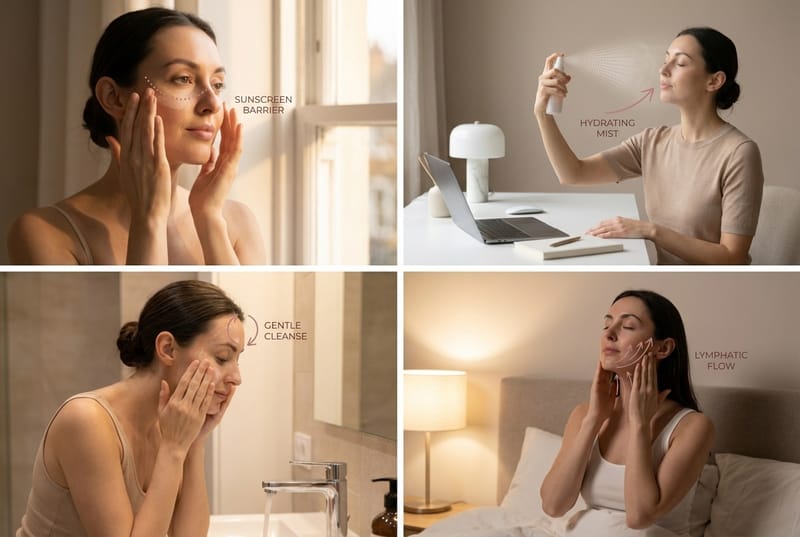
Yasmine face yoga is a daily practice that supports not just your skin but your overall sense of well-being. The focused breathing, intentional movement, and quiet attention to your face create a moment of care that builds resilience, both in your skin barrier and in your relationship with yourself. That daily ritual of gentle attention is, in many ways, the most valuable thing you can give your reactive skin.