Skin Care
Lifestyle and Diet Connections
How heat, alcohol, spicy food, stress, and sleep affect facial redness, with practical strategies for managing each one.

What you eat, drink, and do throughout the day has a direct and often immediate impact on facial redness. Lifestyle factors can trigger acute flushing episodes and, over time, contribute to the progression of chronic redness conditions. The good news is that many of these factors are within your control, and small adjustments can produce significant improvements.
Alcohol and Redness
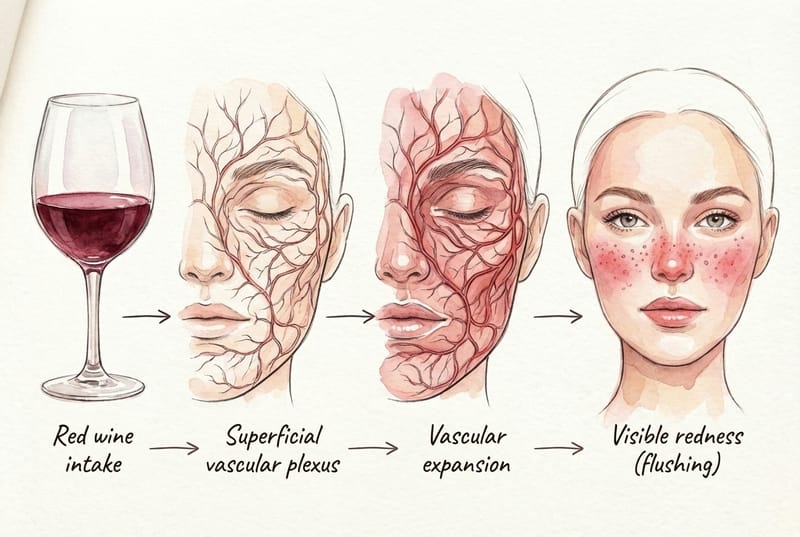
Alcohol is one of the most potent and consistent redness triggers. It dilates blood vessels throughout the body, and the face, with its dense vascular network close to the skin surface, shows the effect most visibly. Red wine is the most commonly reported trigger, but any form of alcohol can provoke flushing.
Beyond the immediate flush, regular alcohol consumption increases baseline inflammation and impairs the skin barrier over time. Even moderate, consistent drinking can worsen rosacea and delay recovery from redness-related conditions. Reducing or eliminating alcohol is one of the highest-impact lifestyle changes for managing facial redness.
Spicy Food and Hot Beverages
Capsaicin, the compound that makes food spicy, directly stimulates the receptors that trigger facial flushing. Hot beverages, regardless of their ingredients, raise core body temperature and dilate facial blood vessels. Both are common triggers that many people can identify from personal experience.
You do not necessarily need to eliminate these entirely. Some people find that mild spice is tolerable while concentrated heat is not. Letting hot beverages cool slightly before drinking reduces the thermal trigger. The key is understanding your personal threshold and staying within it.
Stress and the Nervous System
Chronic stress maintains elevated levels of cortisol and keeps the sympathetic nervous system partially activated. Both of these states promote vascular dilation and systemic inflammation, creating a persistent background of redness that is easily tipped into a full flare by minor additional triggers.
Effective stress management is not optional for redness-prone skin. It is a core treatment strategy. Deep breathing exercises, regular physical activity, adequate sleep, and any practice that activates the parasympathetic nervous system all help lower the baseline state of vascular reactivity.
Sleep Quality
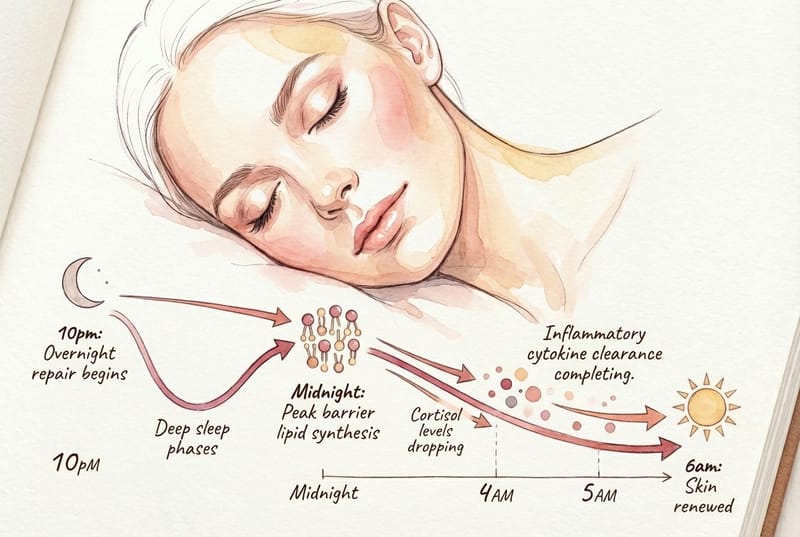
Poor sleep elevates cortisol, impairs barrier repair, and increases inflammation, all of which worsen facial redness. During deep sleep, the skin's repair mechanisms are most active and inflammatory processes are resolved. Consistently getting seven to nine hours of quality sleep supports every other aspect of your redness management strategy.
- Keep your bedroom cool. A warm sleeping environment promotes facial flushing and disrupts sleep quality.
- Elevate your head slightly to reduce overnight fluid pooling in the face, which can contribute to morning redness and puffiness.
- Establish a consistent sleep schedule. Your body's repair processes work best when they follow a predictable rhythm.
Exercise and Redness
Exercise is a known redness trigger because it raises core body temperature and increases blood flow. However, regular exercise also reduces chronic inflammation, lowers cortisol, and improves overall vascular health, all of which benefit redness management in the long term.
The solution is not to avoid exercise but to manage the conditions. Exercise in cooler environments when possible. Keep a cold water spray or damp towel handy to cool your face during breaks. Choose lower-intensity activities if high-intensity workouts cause severe flushing. The long-term anti-inflammatory benefits of consistent exercise outweigh the short-term flushing effect.
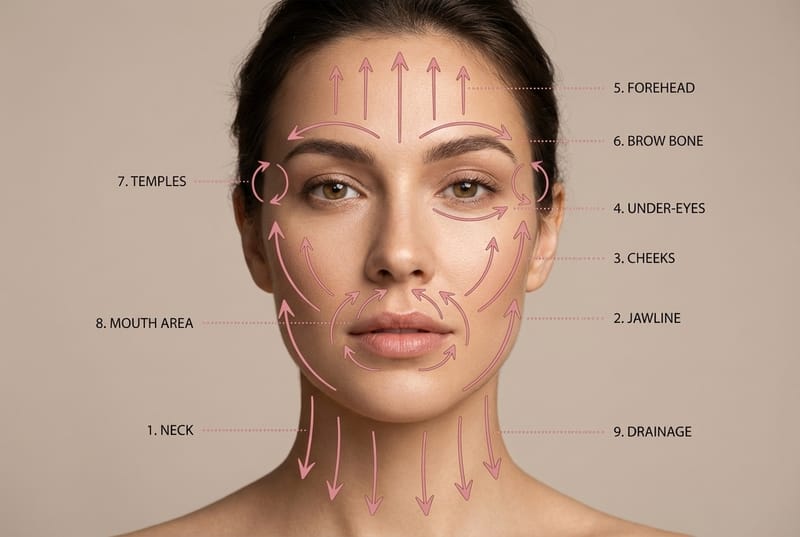
Yasmine face yoga is a gentle form of exercise that can be done in a controlled environment with minimal temperature change. The focused breathing and deliberate movement activate the parasympathetic nervous system, making it both a skincare practice and a stress-management tool for redness-prone skin.