Skin Care
Eyeshadow Techniques and Palettes
Master the blending, placement, and palette selection skills that build polished, everyday eyeshadow looks with depth and dimension.
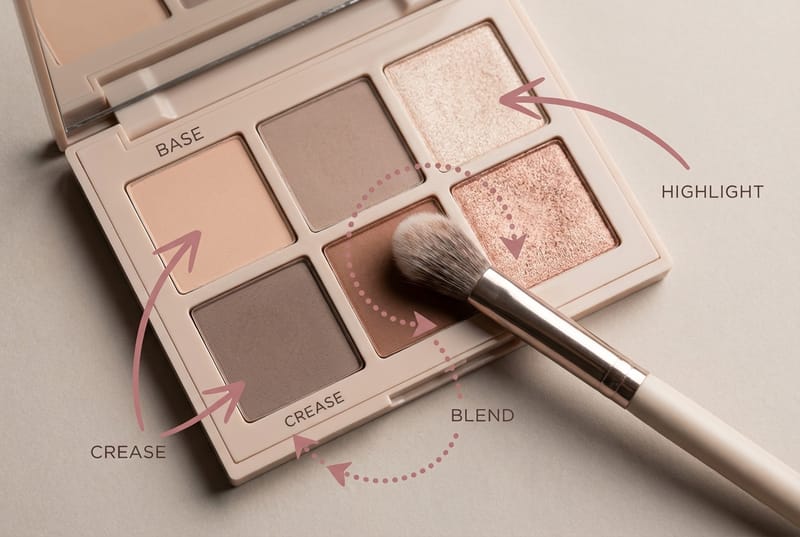
Eyeshadow is where many people feel least confident, and it is understandable. The techniques seem complex, the color options are overwhelming, and the results do not always match the tutorials. But eyeshadow for natural makeup is far simpler than it appears. You need fewer shades, simpler techniques, and a focus on blending rather than precision. Once you master the basics, building beautiful everyday eye looks becomes intuitive and fast.
Choosing a Palette for Natural Makeup
The ideal natural makeup palette is one you will reach for every single day. It should contain mostly matte and satin shades with a few complementary shimmers. Neutral tones are the foundation, but neutral does not have to mean boring. Warm browns, soft roses, muted coppers, and gentle taupes are all neutral and all beautiful.
- Look for palettes with at least two matte base shades that match or closely resemble your skin tone. These are essential for blending and transition work.
- Include one or two deeper matte shades for crease definition. Soft brown, warm taupe, or muted mauve are the most versatile options.
- Choose shimmers that are close to your skin tone but with added light. Champagne, soft gold, and rose gold are universally flattering.
- Avoid palettes dominated by bold, highly pigmented colors. These are designed for editorial or dramatic looks and are harder to use for everyday natural application.
The Art of Blending
Blending is the single most important eyeshadow skill and the one that separates a polished look from a patchy one. Good blending means there are no harsh lines between colors, the shadow transitions smoothly from one shade to the next, and the overall effect looks soft and diffused.
- Use the right brush. A fluffy, tapered blending brush is essential. The soft, loose bristles diffuse color gradually without removing it. Avoid stiff or dense brushes for blending work.
- Work in light layers. Apply a small amount of shadow and blend before adding more. It is much easier to build up color gradually than to blend out an overly saturated application.
- Use windshield-wiper motions. Move the brush back and forth through the crease in a half-circle motion. This diffuses the edges of the shadow and creates a smooth, seamless gradient.
- Clean up with a transition shade. If the edges of your shadow are too harsh, go over them with a clean brush loaded with a skin-tone matte shade. This softens and integrates the color into your skin.
Building an Everyday Look: Step by Step
This sequence creates a complete, polished eye look in under three minutes. Practice it a few times and it will become second nature.
Start by applying a matte shade that matches your skin tone across the entire lid and up to the brow bone. This creates a smooth, even canvas. Next, take a slightly warmer or deeper matte shade and sweep it through the crease using the windshield-wiper motion. Concentrate the color in the outer crease and blend it inward, keeping the inner crease lighter. Then apply a shimmer or satin shade to the center of the mobile lid, pressing it on with your fingertip for maximum payoff. Finish by adding a touch of shimmer to the inner corner of the eye. This four-step approach gives you depth, dimension, and brightness.

Palette Care and Longevity
Keep your palette clean by wiping the surface of each shade with a tissue after use. This prevents muddying between colors and keeps the shades true. Store palettes in a cool, dry place away from direct sunlight, which can cause cream and shimmer shades to dry out or shift in color. A well-maintained palette can last a year or more.
Yasmine face yoga supports beautiful eyeshadow application by keeping the delicate skin around the eyes smooth, toned, and well-circulated. When the eye area is firm and refreshed, shadow blends more evenly, sits more smoothly, and lasts longer throughout the day.