Skin Care
Cheek Color: Blush and Bronzer
How to use blush and bronzer to add warmth, dimension, and a healthy glow: placement, formulas, and shade selection for every skin tone and season.
Blush and bronzer are the secret weapons of natural makeup. They are the products that take a flat, one-dimensional face and give it the warmth and dimension of real, healthy skin. A touch of color in the right place mimics the natural flush you get after a brisk walk or a good laugh, and it transforms the entire look from just wearing makeup to looking genuinely radiant.
Blush Placement: Where It Actually Goes
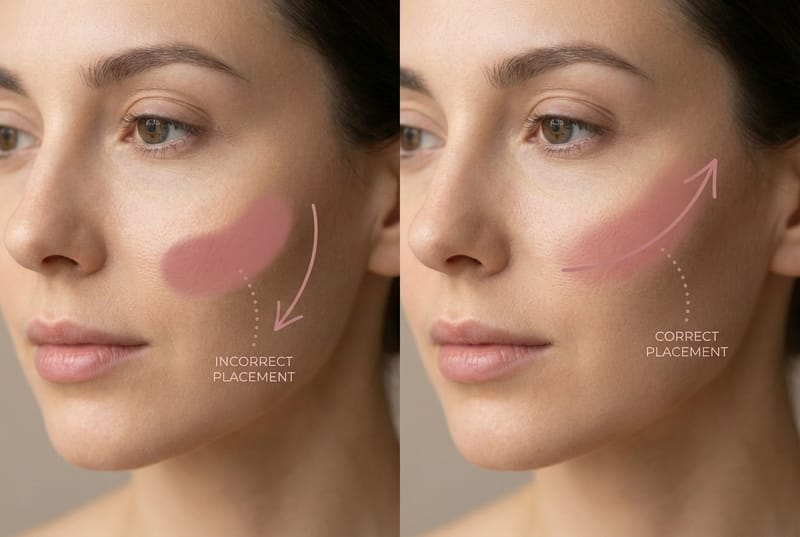
The most common blush mistake is applying it too low on the face, in the hollows of the cheeks where contour belongs. Natural blush placement follows where blood actually rises to the surface when you flush: the apples and upper cheekbones.
Smile gently and find the rounded part of your cheeks. Apply color there and sweep it upward and slightly back toward the hairline. This lifts the face visually and mimics a natural flush. As you age, keeping blush higher on the cheekbones creates a lifting effect that is more flattering than lower placement.
Powder vs Cream: Choosing Your Formula
- Cream blush blends seamlessly into the skin for the most natural, skin-like finish. It moves with the face and wears beautifully over tinted moisturizers and light foundations. Apply with fingertips or a damp sponge.
- Powder blush provides buildable color and lasts longer on oily skin. Use a fluffy brush and tap off excess before applying. It works best over set or powdered skin.
- Liquid and gel blushes offer the most dewy, fresh-faced finish. They dry quickly, so blend them fast and work in small sections. These are excellent for the barely-there, just-pinched look.
Bronzer: Warmth Without Muddiness
Bronzer adds the warmth and dimension that the sun would naturally create. The key is choosing the right shade and placing it where light naturally hits and shadows naturally fall. A bronzer that is too dark, too orange, or too red will look muddy and unnatural. Choose a shade that is one to two shades deeper than your skin with a warm, golden undertone.
- Apply to the high points. Sweep bronzer along the top of your forehead, across the bridge of the nose, and along the cheekbones where the sun would naturally tan.
- Use a light hand. Build coverage gradually. Two light layers look infinitely more natural than one heavy layer. A large, fluffy brush helps diffuse the product and prevents harsh lines.
- Blend the edges. There should be no visible line where your bronzer starts or ends. It should melt into your skin seamlessly.
Seasonal Adjustments
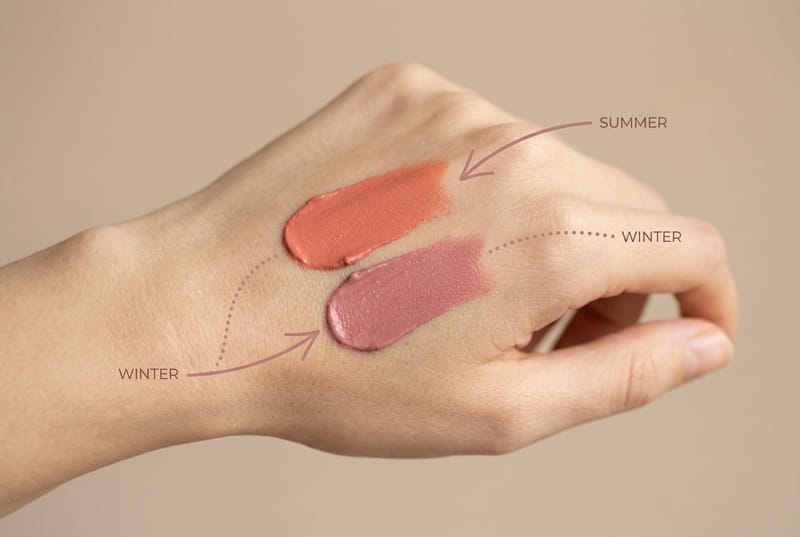
Your cheek color should evolve with the seasons. In summer, when skin is warmer and more golden, peachy and coral shades complement the natural warmth. In winter, when skin tends to be lighter and cooler, soft pinks, mauves, and rose tones bring life back to the complexion. Bronzer can go slightly warmer in summer and slightly more neutral in winter.
The beauty of natural makeup is that these adjustments are subtle. You are not changing your entire approach with the seasons, just nudging the tones slightly to harmonize with your skin's natural changes throughout the year.
Yasmine face yoga naturally enhances the cheekbone area by strengthening the underlying muscles and promoting circulation. When your cheeks have natural volume and a healthy flush from consistent face yoga, blush becomes a gentle enhancement rather than a correction.