Skin Care
Calming Ingredients That Work
The most effective anti-redness ingredients backed by evidence: what each one does, how to use it, and which combinations work best together.
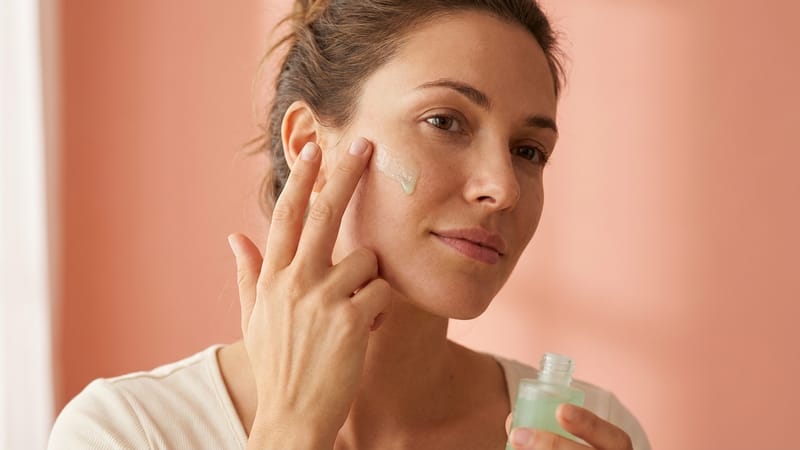
Once your barrier is stable and your cleansing routine is gentle, calming ingredients become your most valuable tool for reducing persistent redness. The ingredients covered here have solid research behind them and are well-tolerated by even the most reactive skin types. The key is introducing them slowly and giving each one enough time to demonstrate its effect.
Centella Asiatica (Cica)
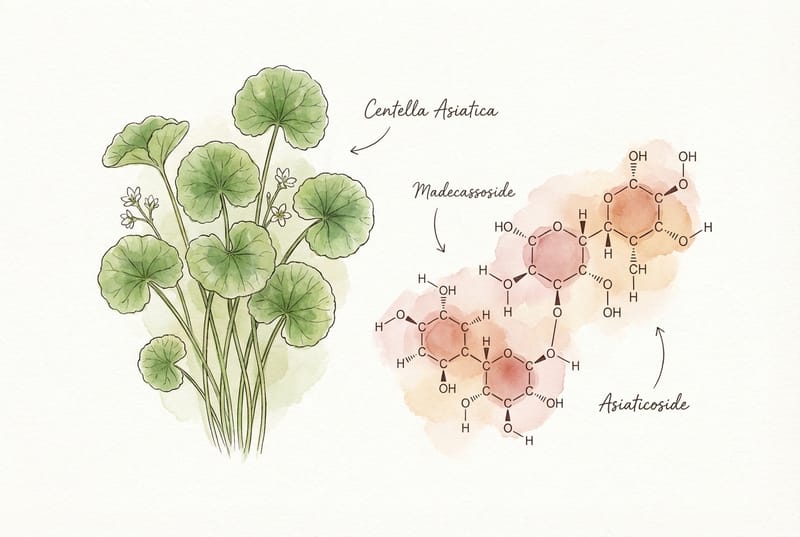
Centella asiatica, commonly called cica, is one of the most researched calming ingredients in skincare. Its active compounds, including madecassoside and asiaticoside, reduce inflammation, support collagen production, and help repair the skin barrier. It is exceptionally gentle and suitable for even the most reactive skin.
Cica is available in serums, moisturizers, and dedicated treatment products. It can be used morning and evening without risk of irritation. For best results, look for products where centella or its derivatives appear in the first several ingredients rather than at the bottom of the list.
Azelaic Acid
Azelaic acid at 10 to 20 percent is one of the most effective ingredients for redness associated with rosacea. It reduces inflammation, kills the bacteria involved in papulopustular rosacea, and inhibits excess melanin production. It is one of the few active ingredients that dermatologists regularly recommend for rosacea-prone skin.
Start with a 10 percent formulation applied every other evening and increase to nightly use as tolerated. Some initial tingling is normal and usually subsides within the first week. Azelaic acid is also safe during pregnancy, making it a useful option when other treatments are off-limits.
Niacinamide
Niacinamide at 2 to 5 percent strengthens the skin barrier, reduces trans-epidermal water loss, and has direct anti-inflammatory effects. For redness-prone skin, it provides foundational support that makes the skin more resilient to triggers over time. It pairs well with virtually every other ingredient and can be used in both morning and evening routines.
Aloe Vera
Aloe vera has been used for centuries as a skin soother. It provides immediate cooling relief during a redness flare and helps calm irritated skin. For best results, use products with a high concentration of aloe or apply pure aloe gel directly from the plant. Avoid formulations with added alcohol or fragrance.
Green Tea Extract
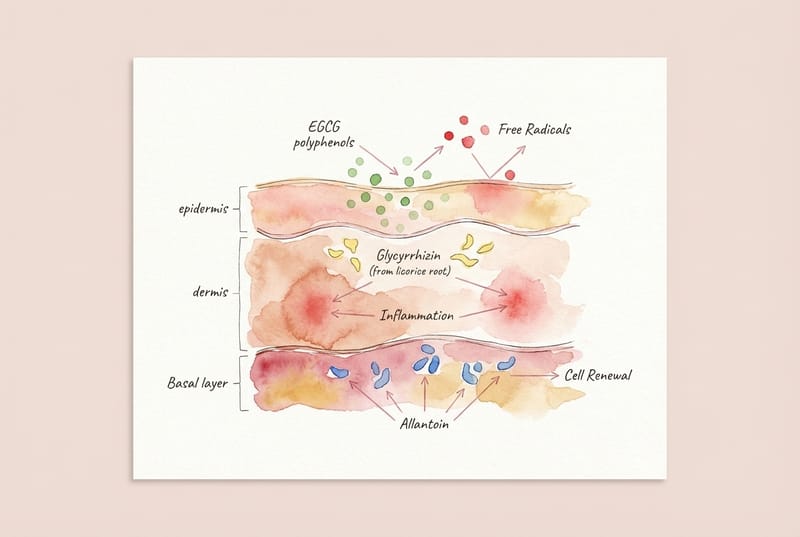
Green tea contains polyphenols, particularly EGCG, that have potent anti-inflammatory and antioxidant effects. It works well as a supporting ingredient in serums and moisturizers alongside primary calming actives.
Licorice Root Extract
Licorice root contains glycyrrhizin, a compound with anti-inflammatory properties comparable to low-dose cortisone but without the side effects of prolonged steroid use. It soothes redness and irritation while also providing mild brightening effects. It is particularly useful in products designed for sensitive, reactive skin.
Allantoin
Allantoin is a gentle compound found in many calming formulations. It promotes skin healing, reduces irritation, and supports healthy cell turnover. While it is rarely a star ingredient, it is an excellent supporting player in moisturizers and treatments for reactive skin.
Building Your Calming Routine
The most effective approach layers several calming ingredients rather than relying on a single product. A routine might include a cica serum, a moisturizer with niacinamide and ceramides, and an evening treatment with azelaic acid. This multi-angle approach addresses redness through inflammation reduction, barrier support, and vascular calming simultaneously.
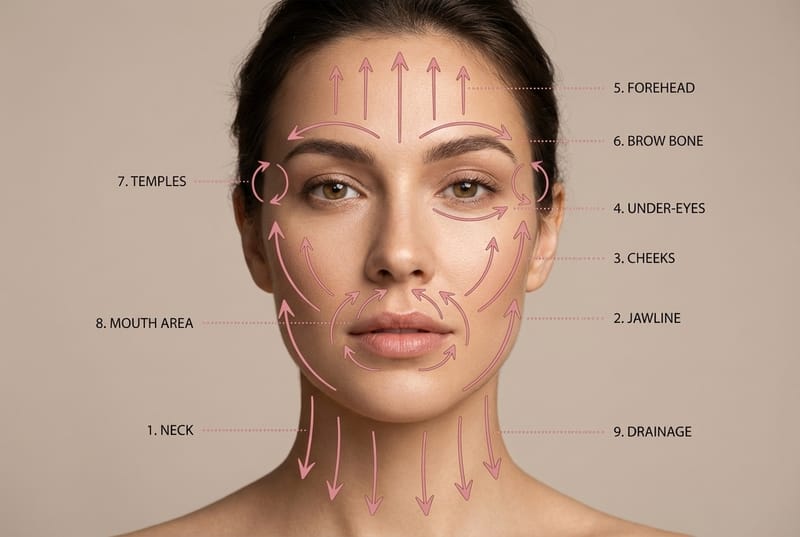
Yasmine face yoga complements your calming routine by addressing the circulatory and muscular dimensions of facial redness. The gentle exercises promote healthy blood flow patterns and reduce the facial tension that can restrict lymphatic drainage and contribute to a flushed appearance.