Skin Care
Building a Brightening Routine
A step-by-step guide to assembling a complete brightening routine: product order, ingredient combinations, and the role of sunscreen.
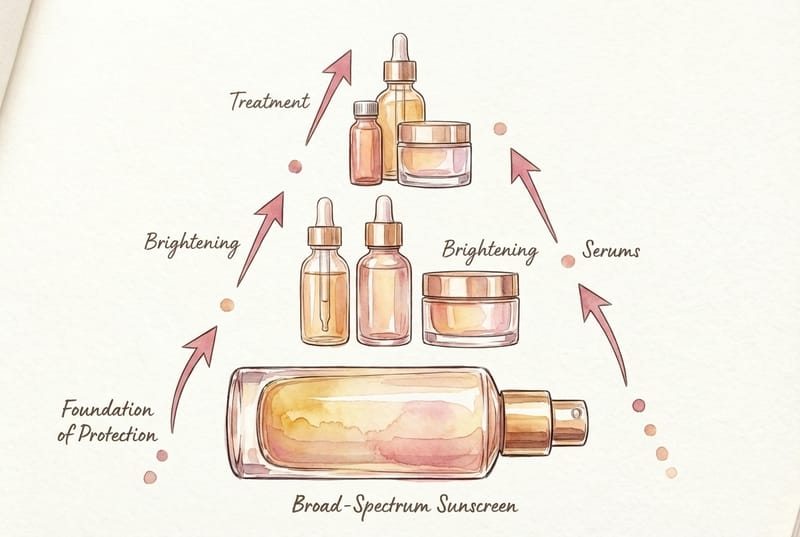
Having the right brightening ingredients is only half the equation. The other half is knowing how to put them together into a routine that is effective, tolerable, and sustainable. This article walks you through building a complete brightening routine from scratch, including the order of application, which ingredients to pair, and the non-negotiable role of sun protection.
The Foundation: Sunscreen First
Before adding any brightening product, your sunscreen must be locked in. Every single brightening ingredient in the previous article is undermined by unprotected UV exposure. Sunscreen makes every other part of your brightening routine work. Without it, you are treating pigmentation with one hand and creating more with the other.
Choose a broad-spectrum SPF 30 or higher that you enjoy wearing daily. Reapply every two hours during prolonged exposure. If you do nothing else from this article, making sunscreen a non-negotiable habit will improve your pigmentation more than any treatment product.
Morning Routine
The morning routine for brightening focuses on protection and antioxidant defense. You want to prevent new pigmentation while gently treating existing spots.
- Cleanse gently. A mild cleanser or water rinse. No need for deep cleansing in the morning.
- Apply vitamin C serum. This provides antioxidant protection against UV and pollution while inhibiting melanin production. Let it absorb for a minute.
- Moisturize. A lightweight moisturizer, ideally one containing niacinamide for additional brightening and barrier support.
- Apply sunscreen. Generous application of broad-spectrum SPF 30 or higher. This is the most important step of the entire routine.
Evening Routine
The evening routine is where your treatment ingredients do their heaviest work. The skin's repair mechanisms are most active at night, and the absence of UV exposure means you can use ingredients that increase photosensitivity.
- Double cleanse. Remove sunscreen and daily buildup thoroughly. An oil cleanser followed by a gentle water-based cleanser ensures a clean surface for treatment products.
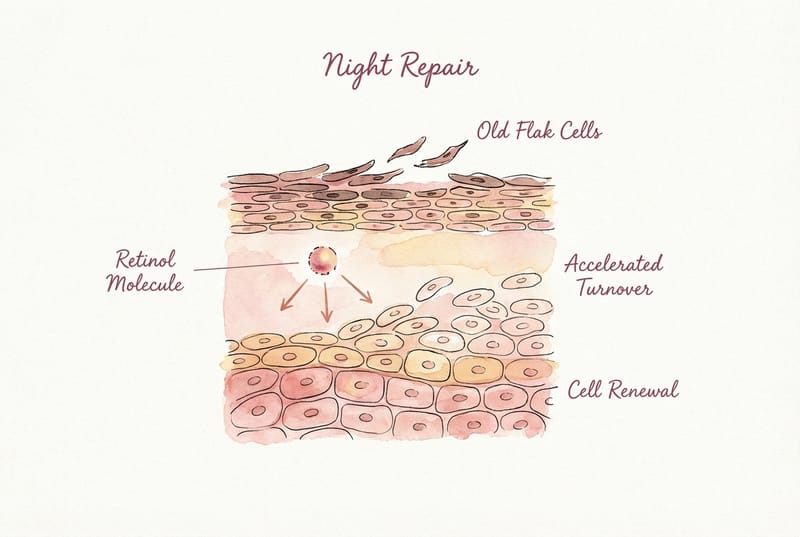
- Apply treatment serum. Azelaic acid, tranexamic acid, or retinol, depending on your primary concern. Apply to clean, dry skin and let it absorb.
- Moisturize. A nourishing moisturizer to support barrier health and prevent the drying effects of treatment products.
Ingredient Combinations That Work Well
- Vitamin C (morning) plus azelaic acid (evening) addresses pigmentation through two different mechanisms without ingredient conflicts.
- Niacinamide plus alpha arbutin can be used together in the same product or layered, providing melanin transfer blocking and production inhibition simultaneously.
- Retinol (evening) plus vitamin C (morning) is the classic combination that accelerates cell turnover while providing antioxidant protection.
- Tranexamic acid plus niacinamide is a gentle, well-tolerated pairing that is particularly effective for melasma.
What to Avoid
Avoid combining multiple strong exfoliants in the same routine, such as AHAs and retinol on the same night, until your skin is fully adapted to each individually. The combined irritation can trigger the exact inflammation that causes more pigmentation.
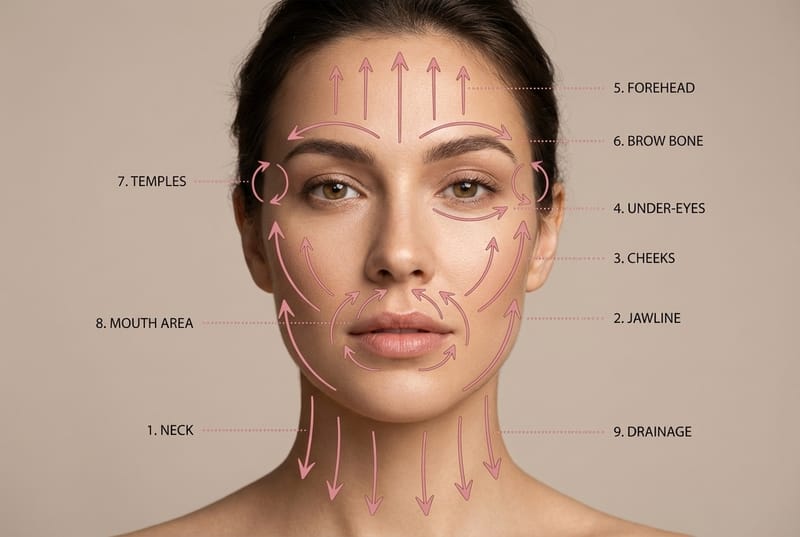
Adding an Yasmine face yoga session between cleansing and your treatment products primes the skin with improved circulation, which enhances the absorption and effectiveness of every brightening ingredient you apply.